Education in times of Climate Catastrophe
A study on the impact of Sindh’s flood in TCF schools and communities
By Prof. Marie Lall, Dr. Licia Proserpio, and The Citizens Foundation (TCF)
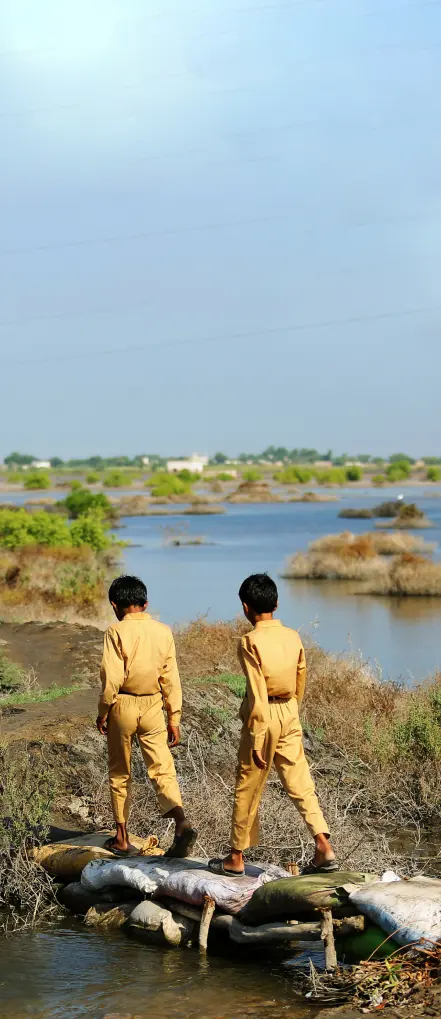
The 2022 floods were one of the most devastating natural disasters in Pakistan’s recent history
Natural disasters are occurring with alarming frequency in Pakistan, with not many lessons being learned from past experiences. Considering the 2022 floods, there is a pressing need for robust policy actions that address the nexus between climate change, displacement and education, for better disaster preparedness and rehabilitition.
Gauging the impact of floods 2 years post disaster, this research aims to highlight both, the immediate experiences of affected communities, and lessons in disaster preparedness that can inform a more resilient response
“When the floods hit, we were very darbadar.* We went to Thar. Then we sat out on the roads with our little kids. We were very worried, and very darbadar.”
Female Parents | Mirpurkhas
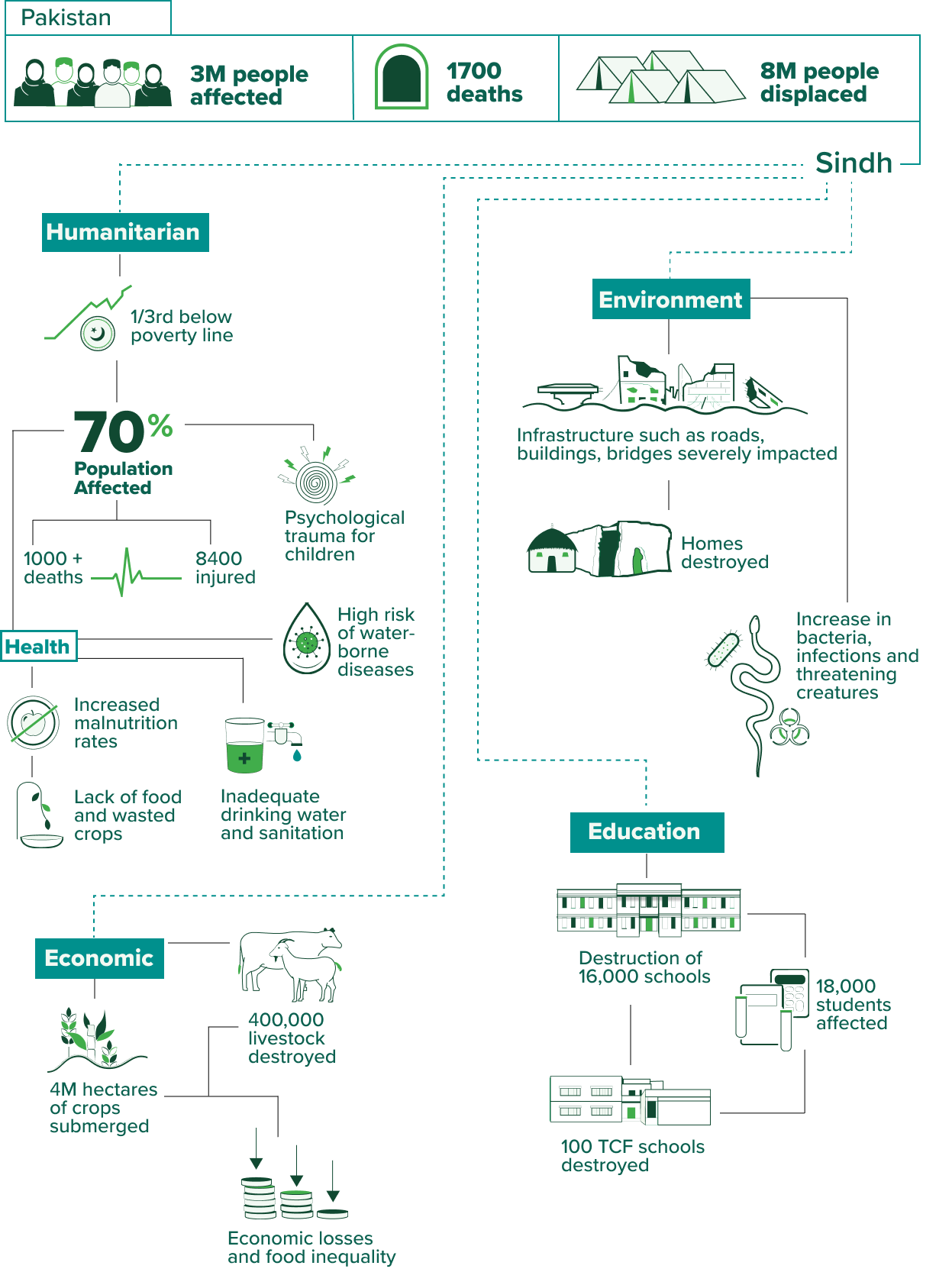
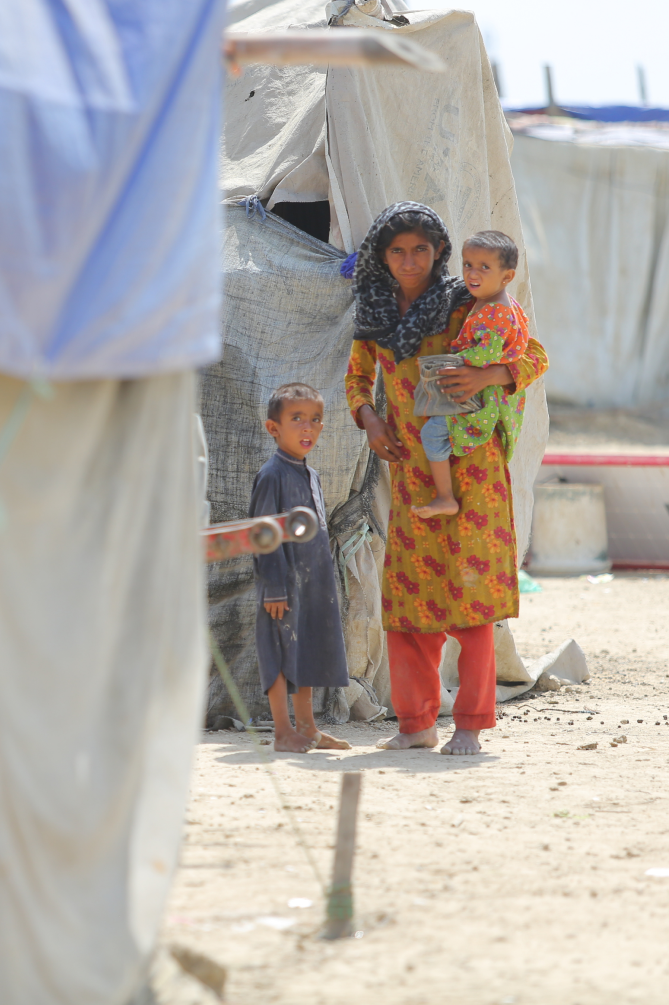
From June to September 2022, Pakistan experienced one of the most catastrophic natural disasters in its history. Unprecedented monsoon rains and melting glaciers caused devastating floods, impacting an estimated number of 33 million people, half of whom were children.
In the southeastern province of Sindh, the impact was particularly severe, affecting more than 70% of the province’s population by causing economic, humanitarian, environmental and educational destruction.
*Urdu word that indicates a feeling of displacement, mental or emotional, which can sometimes be accompanied by physical displacement.
Flood Impact

TCF’s Relief Efforts
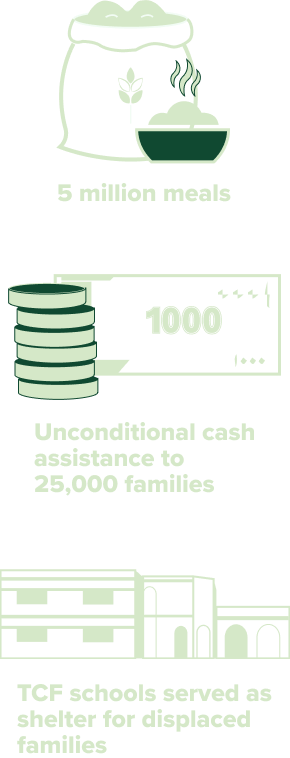
Many TCF communities in Sindh were also severely impacted by the floods, with scores of students, staff and community members losing their homes and livelihoods. Therefore, in areas where its schools are located, TCF responded swiftly with a donor-funded relief effort:appeal:

“...Our main source of income (land) is also gone. The water (for irrigation) is now saline (khara paani) so we cannot cultivate the lands anymore. Our men are out of work.”
Female Parent | Dadu
According to Germanwatch’s Global Climate Risk Index 2021, Pakistan is ranked 8th among the countries most affected by extreme weather events between 2000-2019.
In early 2024, TCF conducted a Rapid Ethnographic Assessment (REA) in areas severely affected by flooding. To amplify the voices of those most impacted, the researchers aimed to answer the following questions:
Research Participants
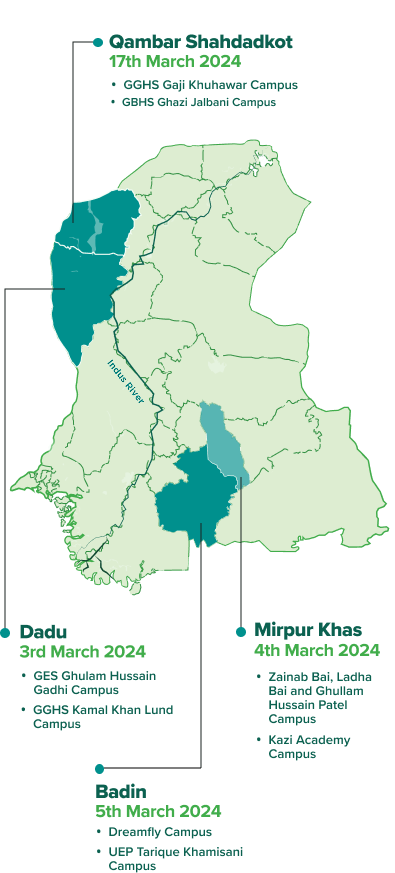
The research team spoke to over 400+ individuals, including TCF school students, teachers, community members and parents, from four of the most affected regions in Sindh: Dadu, Mirpur Khas, Qambar Shahdadkot and Badin.

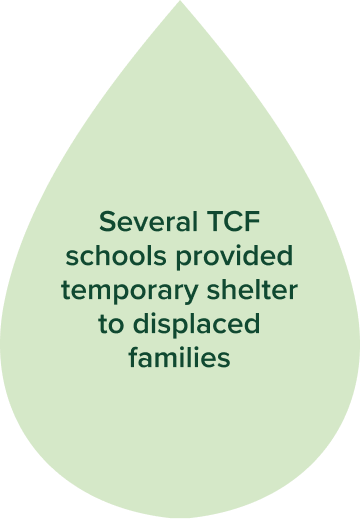
1.Emergency support such as cash transfers and the use of schools as temporary shelters by TCF provided timely relief for affected communities.
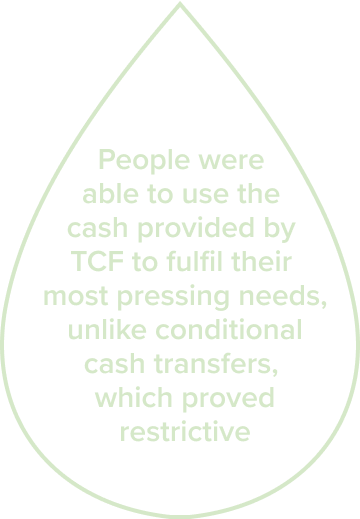
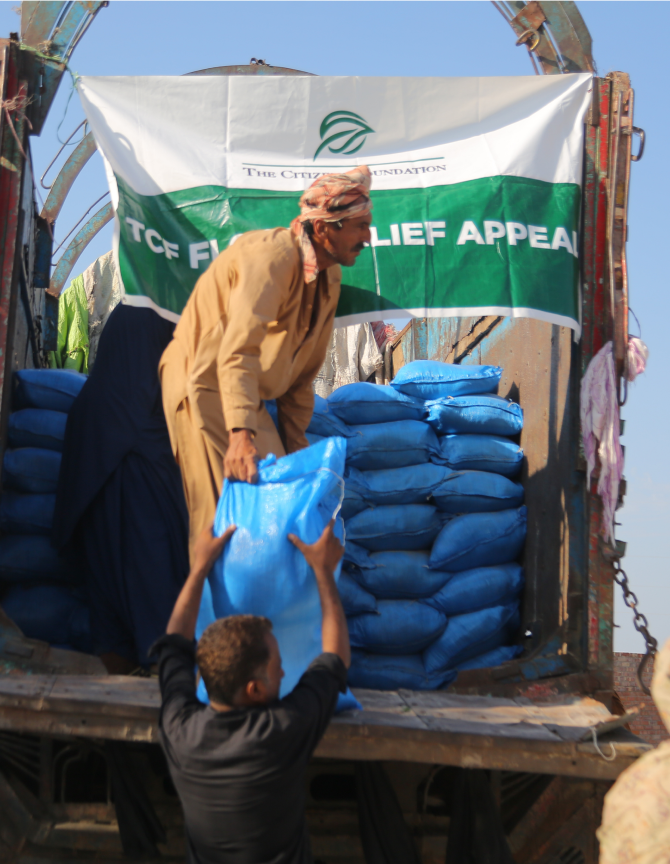
“TCF was very helpful. People used the cash transfer [of PKR 50,000] to start small businesses, like putting up a food cart or selling fruit. Some purchased cycles and started selling junk in the city. One person opened a small paan shop.”
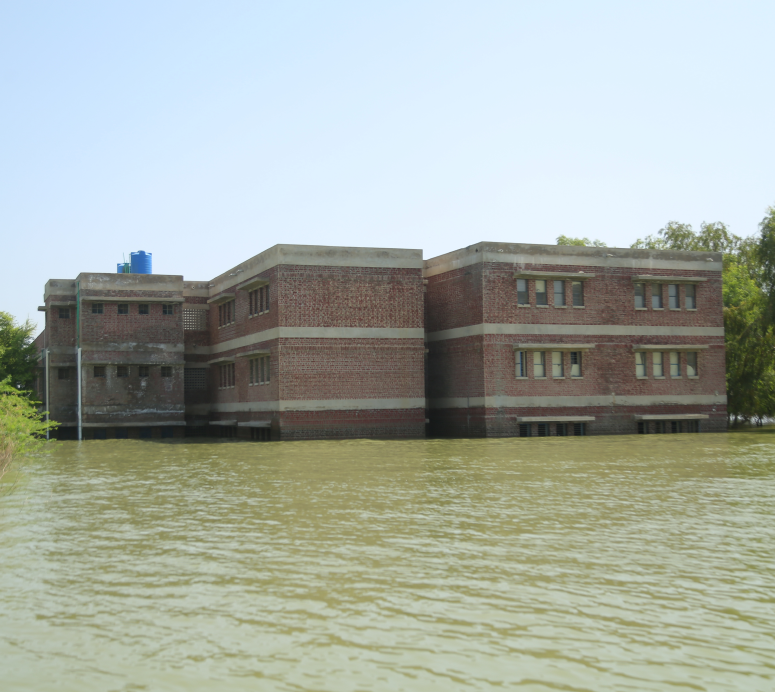
2.Although many TCF schools were damaged, swift repair and rehabilitation allowed them to reopen as early as September onwards, while communities, teachers, and students worked together to maintain continuity of learning despite the disruption.
“We didn’t have credit in our phones, so we would work in the fields, pool our money together, get phone credit and speak to our teacher about schoolwork.”
3.Stronger cautionary measures and early warning systems could have reduced the scale and duration of community hardship – an important lesson for strengthening future resilience.
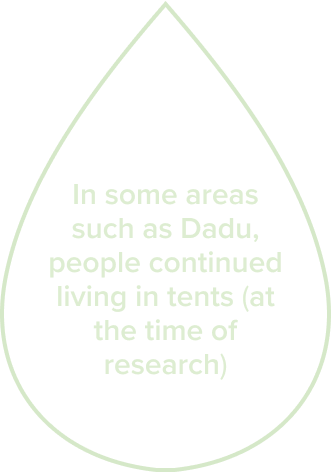
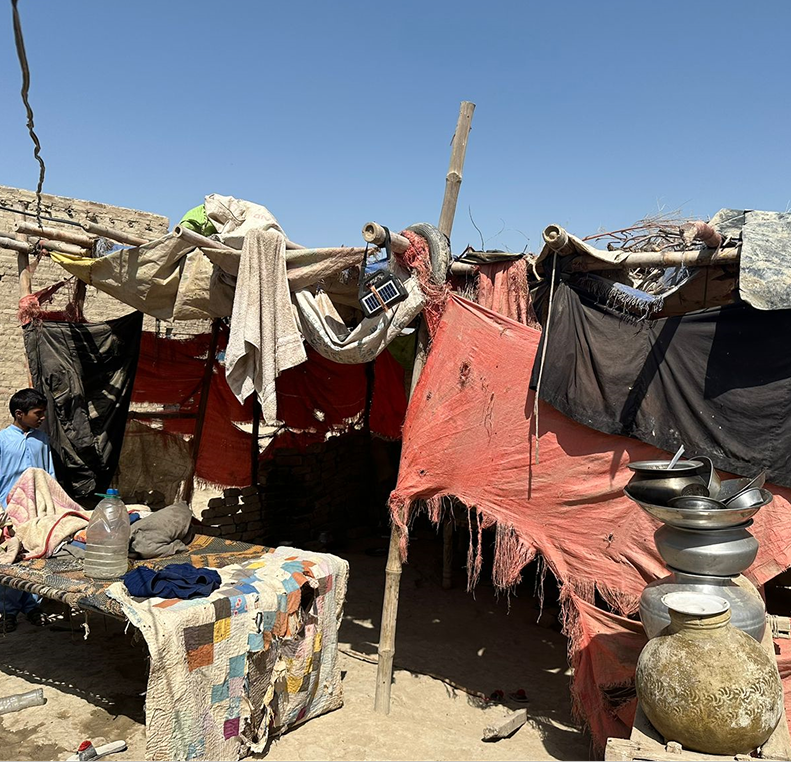
“If it floods again, we will not leave our homes. We will stay here come what may, because we cannot endure the humiliation of displacement again.”
4.Aid distribution plans need to account for the heightened vulnerabilities of marginalised groups – especially women – to ensure relief efforts do not inadvertently deepen disadvantage or distress.
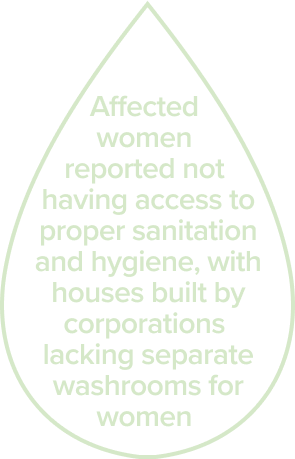
“We were forced to relieve ourselves in the open. There was no privacy. [We] would make a shield of women and relieve ourselves during the floods. There are still no bathrooms. Even before the floods, there were no bathrooms in the community. We don’t have the money to build them.”
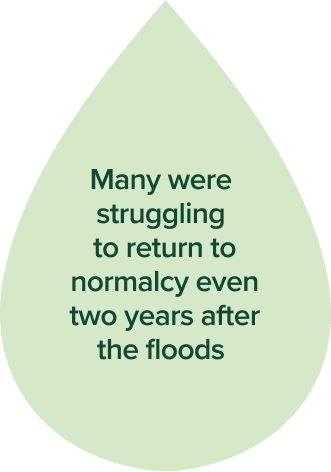
5.Two years later, the lasting impact of displacement, loss, and delayed rehabilitation stress the need to address lingering
psycho-social trauma amongst children.
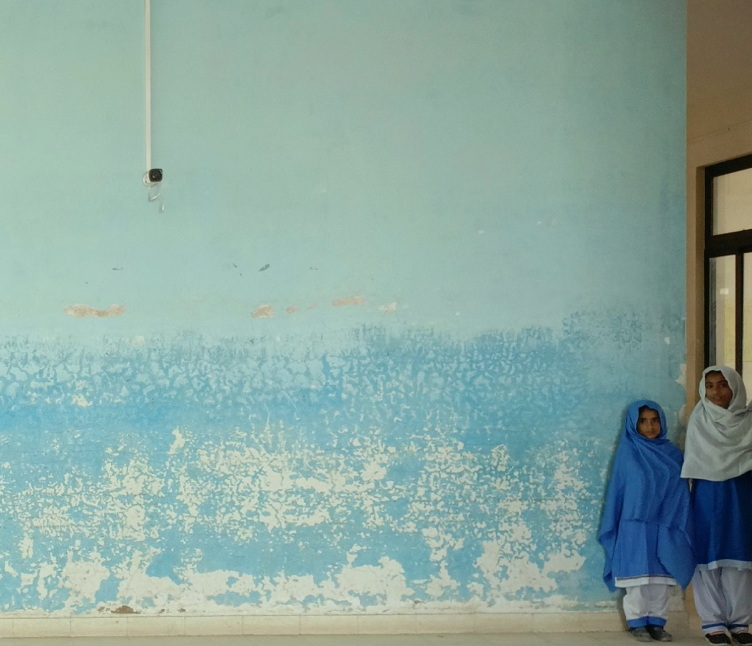
When we returned home, our children would ask us, ‘When will you rebuild our house? When will we have proper shelter?’ They are still afraid of illness and remain mentally distressed
Insights from affected communities highlight the need for policies and programs that go beyond rebuilding — integrating disaster education, trauma support, and preparedness into curricula and community planning.
1.
Foster collaboration with local stakeholders:
To ensure timely and equitable aid distribution, it is crucial to leverage local wisdom and give precedence to voices from within the affected communities when making decisions regarding relief efforts, so that policies reflect on-ground realities.
“We are asking NGOs and governments to come to us for research and surveys. We need their help. They can come to our house. We want our voices to reach them. We welcome them to come and see our situation so they can understand what we need.”
2.
Education planning and community preparedness
Schools can play a pivotal role in disaster preparedness, serving both as educational centres and hubs for relief distribution. To do so, TCF schools and other institutions can:
Introduce an information dissemination system and disaster preparedness trainings in schools and wider communities
Plan robust remediation programs and temporary learning spaces to minimise learning loss
“Education is important so we can find solutions for the catastrophes that have struck us, like the floods. We want to be able to help people who are harmed by the floods. We want to study to improve our future circumstances.”
3.
Unconditional cash transfers and sustainable aid
The lessons outlined from communities’ disaster experiences highlight the need to ensure relief provided is flexible to cater to varied needs and groups of people. Relief organisations and policymakers can work towards a sustainable relief response by:
Consistently incorporating unconditional cash transfers into aid distribution policies
Adjusting policies to cater to women’s greater level of vulnerability, and include other marginalised groups, in aid distribution
“.... When providing relief, organisations should think about privacy, separate rooms for separate units, and communal spaces. Support for people with disabilities is also needed.”
4.
Trauma management for those affected
Lingering trauma from the floods remains largely unaddressed. In order to aid and support children in rebuilding lives for long term recovery, schools can:
Implement trauma awareness training and sessions for school staff, parents and community members
Train teachers to recognise signs of distress amongst children and support severely affected families
"We realised the significance of mutual assistance and cooperation. By working together and fostering positive thinking towards one another, we can overcome challenges and thrive as a community.”